
Corrosion cited in pipeline explosion
Published 8:11 pm Tuesday, February 21, 2012
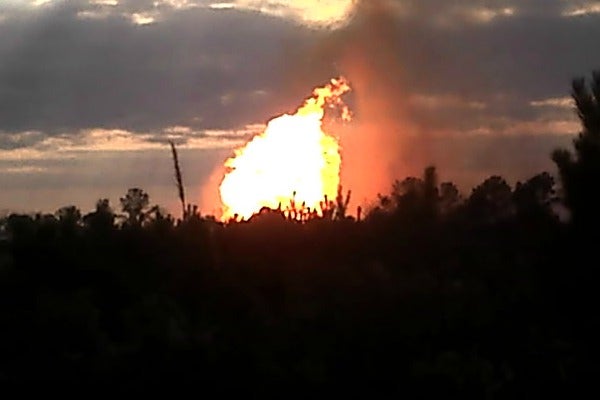
A corroded pipe has been deemed the culprit of a massive natural gasoline explosion in Sweet Water last December.
A Transco natural gas pipeline ruptured at approximately 3:07 p.m. Dec. 3 with an explosion that could be heard for more than 30 miles while shooting flames nearly 100 feet in the air for over an hour.
The pipeline was shutdown immediately after the failure as firefighters battled the blaze for the next 90 minutes.
“Although we have systems and processes in place to prevent and identify corrosion, our investigation indicated there were multiple factors working in conjunction that led to this problem not being recognized,” said Transco spokesman Chris Stockton. “Extremely corrosive soil conditions, combined with failures in the pipeline’s protective coating and cathodic protection system ultimately weakened the pipe, causing it to rupture.”
Stockton said the rupture forced the company to make several changes in its corrosion control program.
“These changes are designed to more closely monitor levels of pipeline protection from corrosion, assure a higher degree of protection equipment uptime, and provide higher standards for levels of corrosion protection,” he said. “We are also continuing our investigation into this failure to better enhance our corrosion control procedures in the future.”
Williams Gas and Pipeline has also been working under a PHMSA (Pipeline and Hazardous Materials Safety Administration) Corrective Action Order, which details actions required to be completed to ensure the safety of the pipeline prior to putting the pipeline back in service. In addition, he said, the company is taking steps above and beyond regulation to ensure the pipeline is safe.
“All anomalies are being carefully investigated and any metal loss indications will be repaired prior to placing the pipeline back in service,” Stockton said. “Once all anomalies have been repaired, the pipe will be hydrostatically tested, which involves filling the pipe with water and pressure-testing it at considerably higher pressures than our normal operating pressures. Once all of these tests are complete, we will seek PHMSA’s permission to restore the line back to service.”